Understanding your options
Hormone therapy (HRT)
What it is, how it is taken, who it is not for, and what it costs — before you decide anything.
See if you’re eligibleFree clinician review. If treatment is not right for you, you pay nothing.
What hormone therapy is
Hormone therapy replaces some of the estrogen your ovaries no longer make, and adds progesterone when it is needed to protect the uterine lining. It is the most studied approach to menopause symptoms, and it is prescription-only: a licensed clinician decides whether it is appropriate for you.
What you take, how you take it and at what dose are all clinical decisions based on your symptoms, your health history and what fits your life.
Estrogen, progesterone, and why both come up
- Estrogen is what addresses symptoms like hot flashes, night sweats and vaginal dryness.
- Progesterone is prescribed alongside estrogen if you still have a uterus, to protect the endometrium. It is also often taken at night for its calming effect.
- Route matters. A patch, gel, pill and vaginal cream all deliver differently, and a clinician will explain the differences that apply to your history.
The ways it can be taken
 Twice-Weekly PatchesRxEstradiol delivered through the skin, changed twice a week.
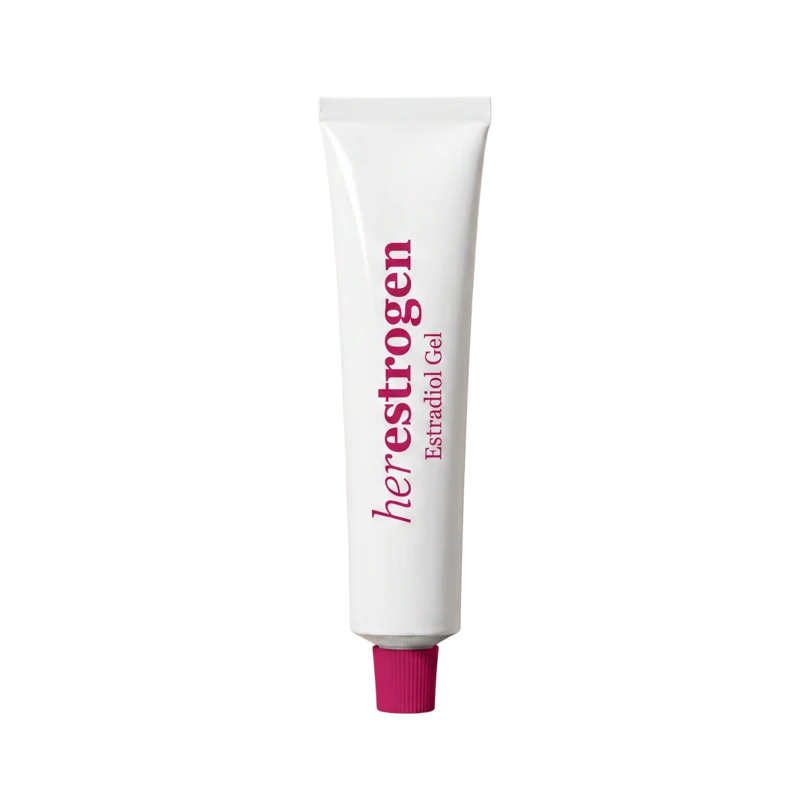 Daily GelRxEstradiol gel applied once a day, absorbs in minutes.
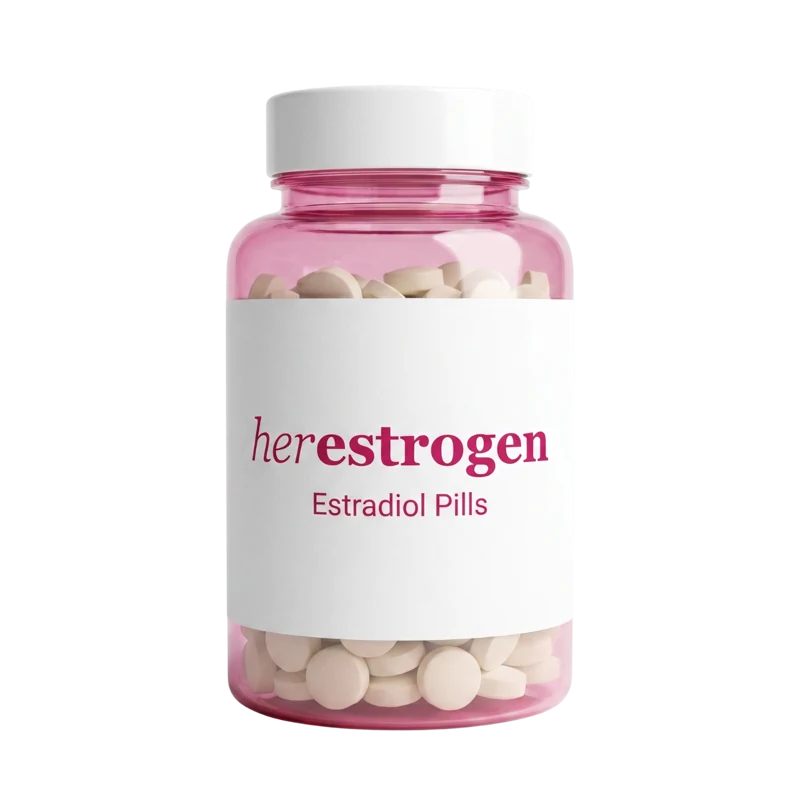 Daily PillsRxEstradiol taken by mouth, once a day.
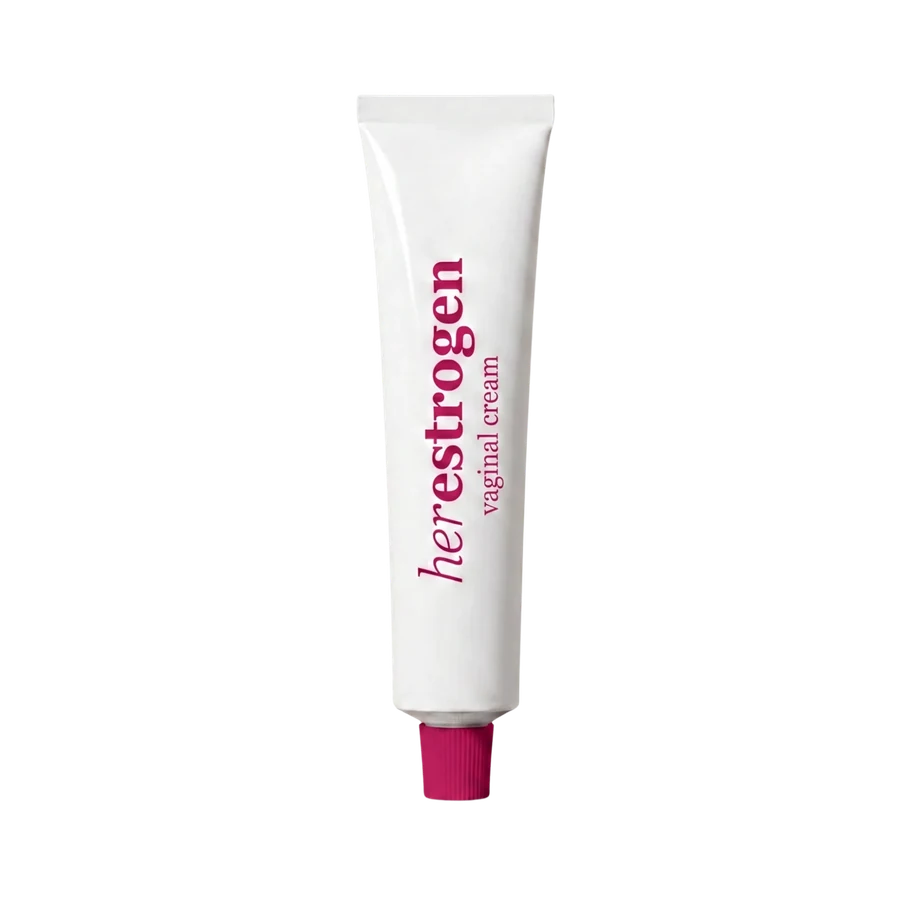 Targeted CreamRxVaginal estradiol cream applied where symptoms are.
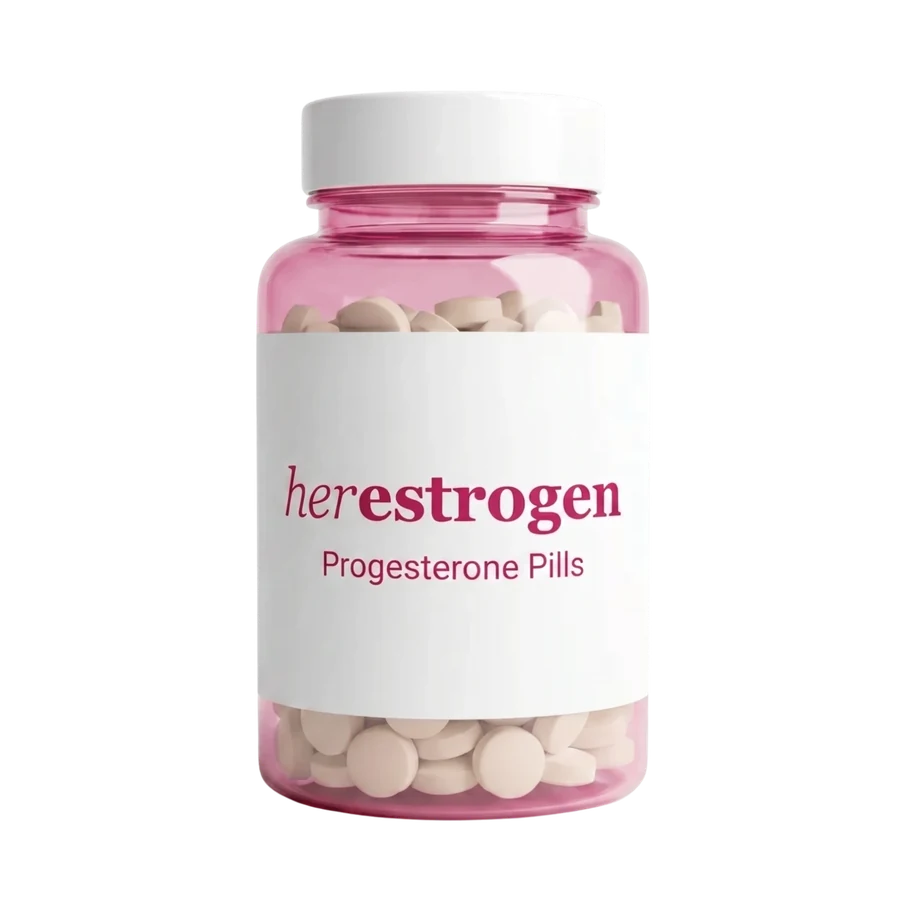 ProgesteroneRxMicronised progesterone, usually taken at night.
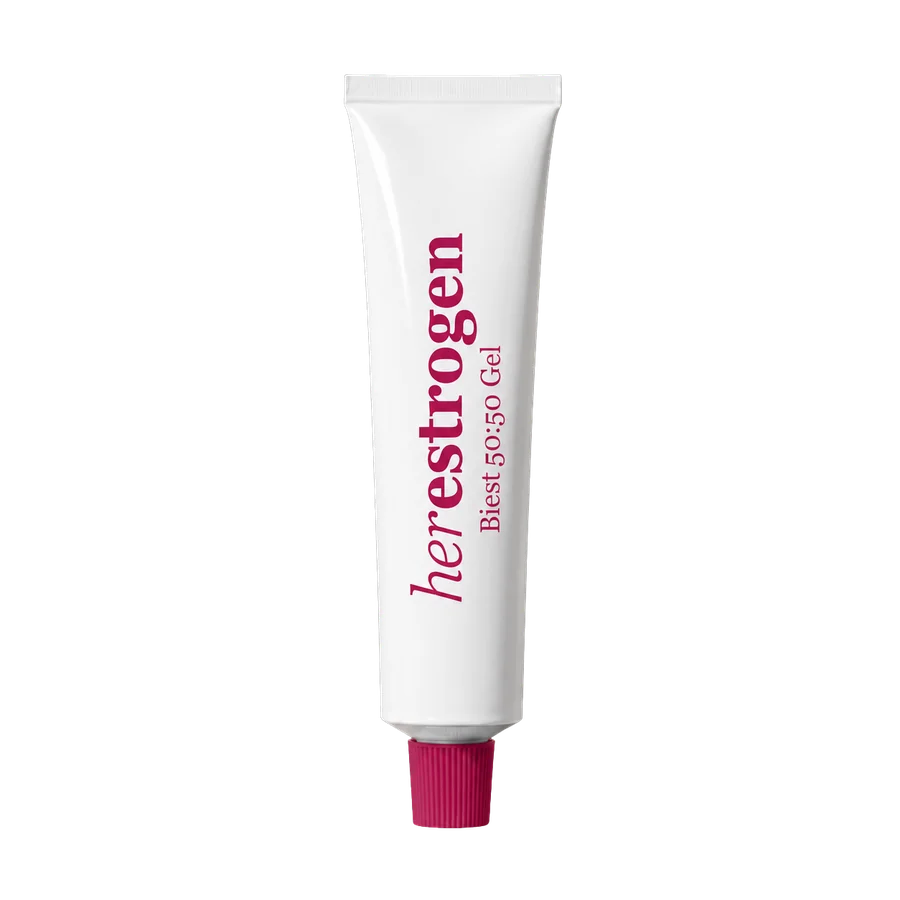 Biest + ProgesteroneRxA combined estrogen and progesterone option.
Vaginal estradiol is used for symptoms in that tissue specifically. Systemic options — patch, gel, pills — act throughout the body.
Risks and who it is not for
Hormone therapy is not right for everyone. Clinicians generally do not prescribe it where there is a history of breast cancer, estrogen-sensitive cancer, unexplained vaginal bleeding, blood clots, stroke, heart attack or active liver disease, among others. Risks differ by your age, how long since your last period, the type of hormone and the route.
This is exactly what your intake is for. A licensed clinician reviews your full history and tells you whether treatment is appropriate — and if it is not, you pay nothing.
What it costs here
Hormone therapy starts at $99 for your first month. After that, plans run from $129 to $199 a month depending on what your clinician prescribes. Your membership — clinician evaluation, unlimited messaging, ongoing check-ins and free shipping — is included. You see the exact price before you check out, and you can cancel future renewals anytime.
Which symptoms women treat with it
Questions women ask
Is hormone therapy safe?
Safety depends on your individual history, your age, how long it has been since your last period and the type and route prescribed. That assessment is the job of the licensed clinician reviewing your intake, and treatment is only provided when they determine it is appropriate.
What is bioidentical hormone therapy?
The term generally refers to hormones that are structurally identical to the ones your body makes, such as estradiol and micronised progesterone. Compounded versions are prepared by a licensed pharmacy for an individual patient and are not FDA-approved.
How long until I notice a difference?
It varies by person, by symptom and by dose, and some people need an adjustment before they settle. Your clinician sets expectations for your specific plan, and you can message the care team at any point.
Do I have to stop after a certain number of years?
There is no single cut-off that applies to everyone. How long to continue is reviewed over time with your clinician, based on your symptoms, your history and your preference.
Find out what is right for you
Answer a few questions about your health. A licensed clinician reviews your history and tells you whether treatment is appropriate — at no cost.
See if you’re eligibleSources & important information
This page is general education, not medical advice, and it does not replace an evaluation by a licensed clinician. Individual experiences vary. Prescription treatment is only provided when a licensed clinician determines it is appropriate for you; a prescription is not guaranteed. Compounded medications are not FDA-approved. The FDA does not review compounded medications for safety, effectiveness or quality before they are made available.
General background from ACOG, The Menopause Society, the National Institute on Aging and the SWAN cohort.