Menopause symptoms
Hot flashes & night sweats
A sudden wave of heat, a flushed face, a soaked shirt at 3am. These are the symptoms most women recognise, and the ones best understood by clinicians.
See if you’re eligibleFree clinician review. If treatment is not right for you, you pay nothing.
Why this happens
Falling and fluctuating estrogen affects the part of your brain that regulates body temperature.
That thermostat becomes more sensitive, so a small change in core temperature triggers a big response: blood vessels widen, you flush, you sweat, then you cool down and feel chilled.
Clinicians call these vasomotor symptoms. They can start years before your last period and continue well after it.
- Up to 80%of women experience hot flashes during the menopause transition, according to ACOG.
- 7+ yearsis the median duration of frequent hot flashes reported in the SWAN study.
- Any timeof day or night — night sweats are the same symptom while you sleep.
What can help
A licensed clinician reviews your health history and decides whether treatment is appropriate for you. These are the options women with this symptom are most often prescribed at HerEstrogen.
 Twice-Weekly PatchesRxEstradiol delivered through the skin, changed twice a week.
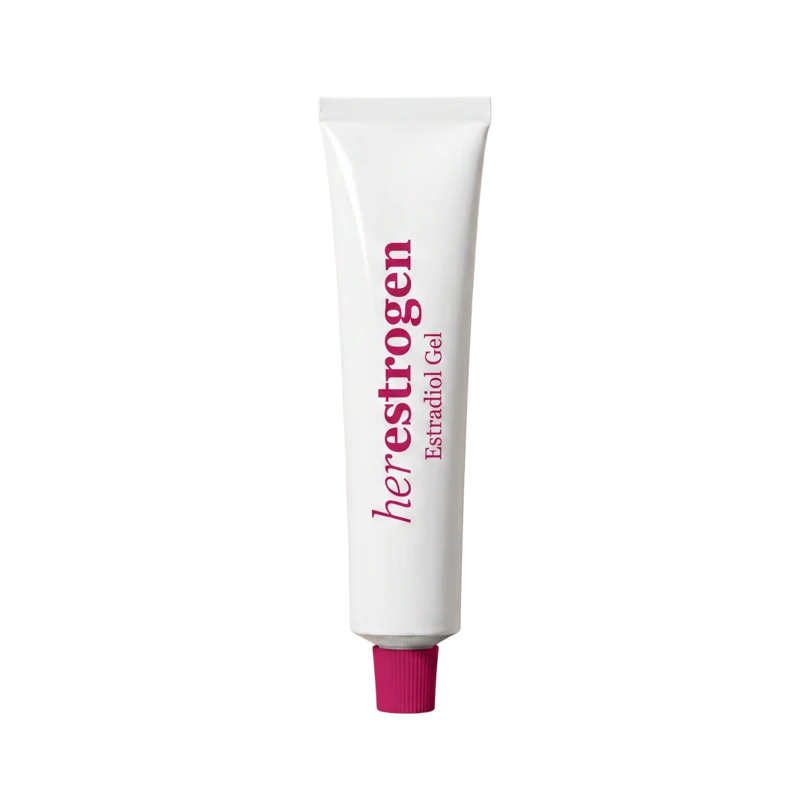 Daily GelRxEstradiol gel applied once a day, absorbs in minutes.
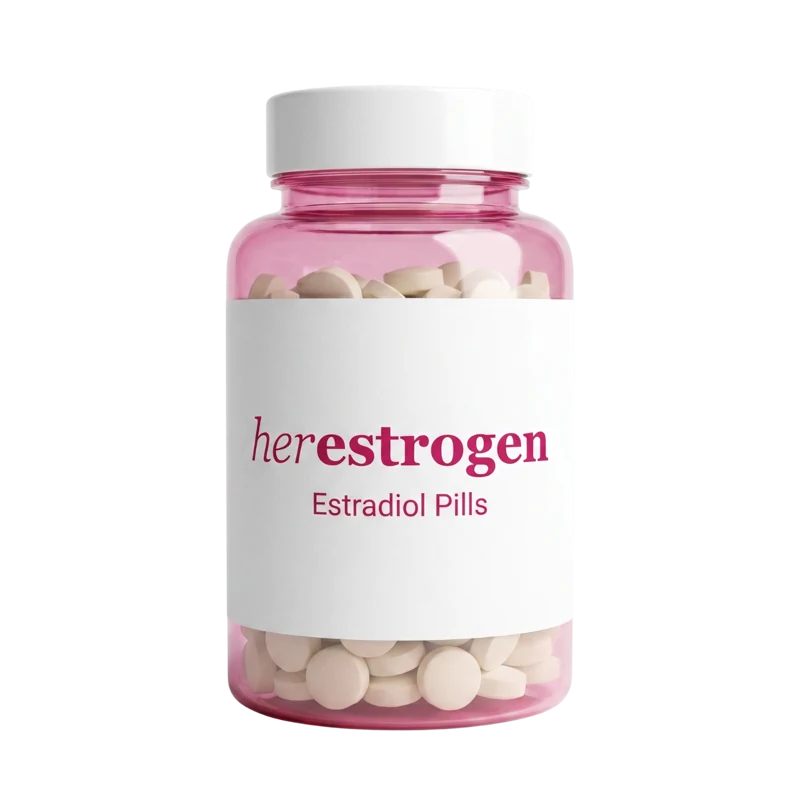 Daily PillsRxEstradiol taken by mouth, once a day.
Alongside treatment
- Layered clothing and a cooler bedroom reduce how often a flash is triggered.
- Alcohol, caffeine, spicy food and smoking are common personal triggers worth tracking.
- Non-hormonal prescription options exist; a clinician can tell you whether one fits your history.
Questions women ask
Are night sweats the same thing as hot flashes?
Yes. Night sweats are vasomotor symptoms that happen while you are asleep, which is why they often show up as broken sleep rather than as heat.
Do hot flashes eventually stop on their own?
For most women they ease over time, but the SWAN study found frequent symptoms lasted a median of more than seven years, and longer for some.
Find out what is right for you
Answer a few questions about your health. A licensed clinician reviews your history and tells you whether treatment is appropriate — at no cost.
See if you’re eligibleSources & important information
This page is general education, not medical advice, and it does not replace an evaluation by a licensed clinician. Individual experiences vary. Prescription treatment is only provided when a licensed clinician determines it is appropriate for you; a prescription is not guaranteed. Compounded medications are not FDA-approved. The FDA does not review compounded medications for safety, effectiveness or quality before they are made available.
General background on menopause symptoms from ACOG, The Menopause Society and the National Institute on Aging. Duration and midlife weight figures reference the SWAN cohort.