Menopause symptoms
Low libido & vaginal dryness
Sex that used to be easy becomes uncomfortable, and desire quietly disappears. Both are common, both are treatable, and neither is something you have to accept.
See if you’re eligibleFree clinician review. If treatment is not right for you, you pay nothing.
Why this happens
Vaginal tissue depends on estrogen for thickness, elasticity and lubrication. As estrogen falls the tissue thins and dries.
Clinicians call this genitourinary syndrome of menopause. Unlike hot flashes it does not resolve on its own, and it tends to progress.
Desire is also affected by sleep, mood, stress, relationship context and pain — pain alone will reduce desire in anyone.
- Up to 50%of postmenopausal women experience genitourinary symptoms.
- Progressive— this symptom usually continues rather than fading.
- Often untreatedbecause it is rarely raised in a short appointment.
What can help
A licensed clinician reviews your health history and decides whether treatment is appropriate for you. These are the options women with this symptom are most often prescribed at HerEstrogen.
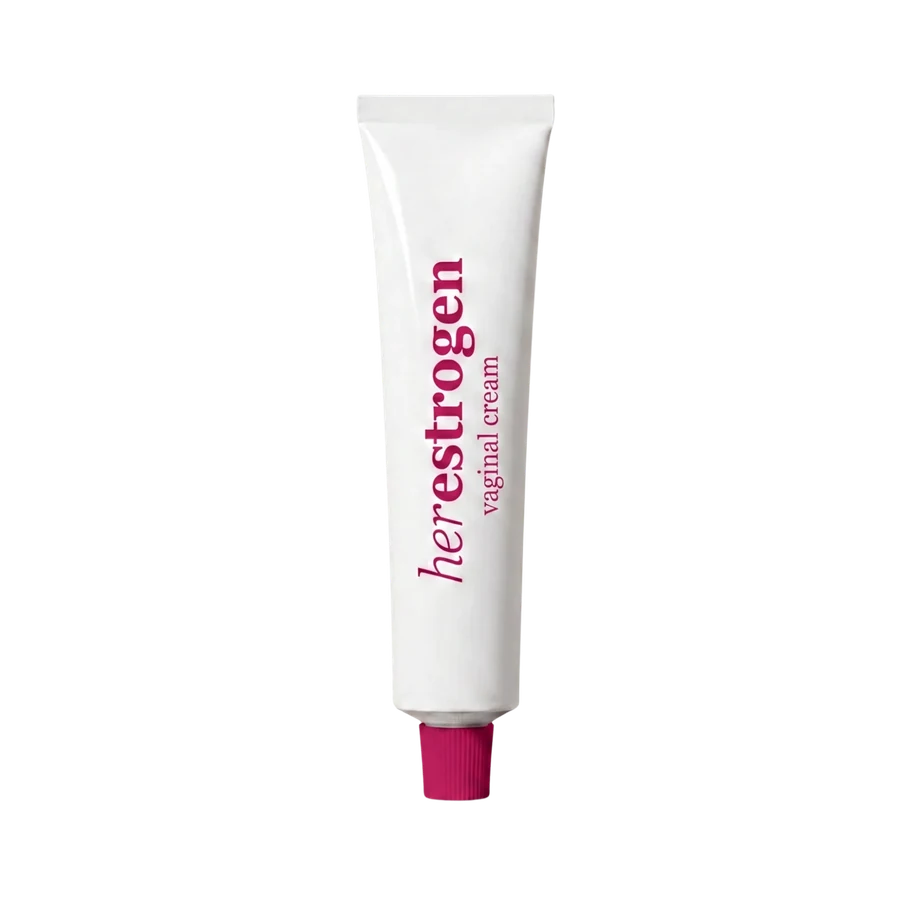 Targeted CreamRxVaginal estradiol cream applied where symptoms are.
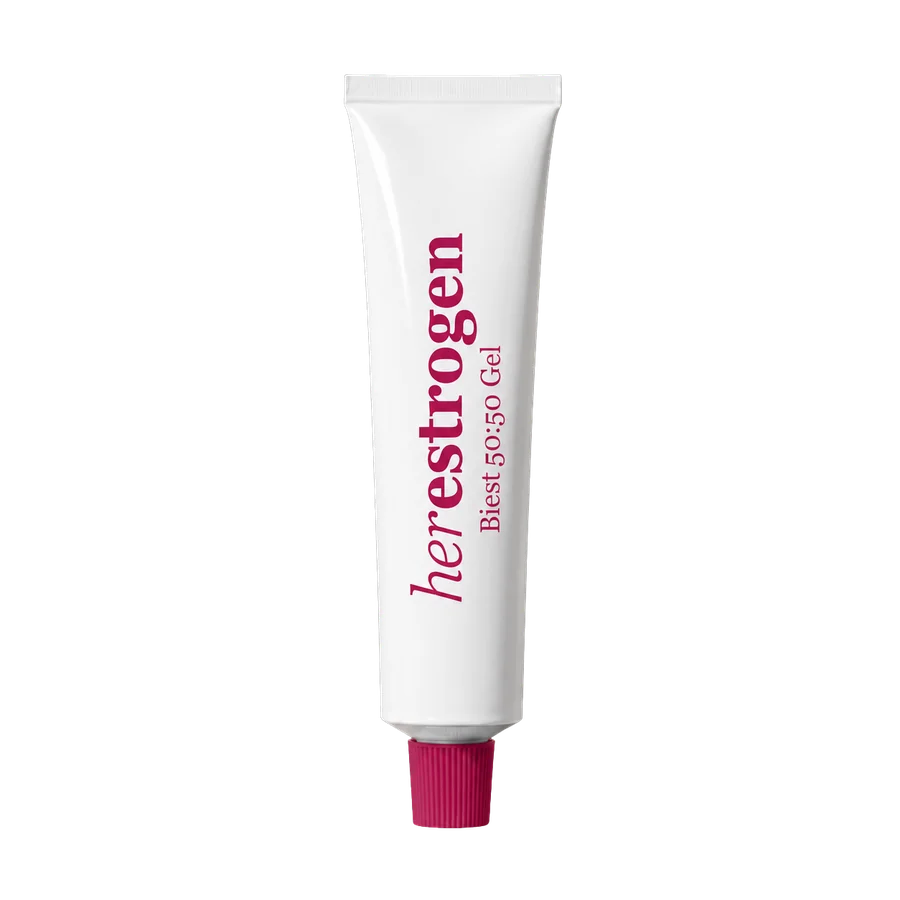 Biest + ProgesteroneRxA combined estrogen and progesterone option.
Alongside treatment
- A non-hormonal vaginal moisturiser used regularly is different from a lubricant used during sex; many women need both.
- Pain during sex is a clinical symptom, not a fact of life — tell a clinician about it plainly.
- Recurrent UTIs and urinary urgency can be part of the same syndrome.
Questions women ask
Will lubricant alone fix it?
Lubricant makes sex more comfortable but does not change the underlying tissue. A clinician can explain what each option does and whether a prescription is appropriate for you.
Is vaginal estrogen the same as taking hormones?
Vaginal estradiol is applied where the symptoms are. Your clinician will explain how it differs from systemic therapy and what suits your history.
Find out what is right for you
Answer a few questions about your health. A licensed clinician reviews your history and tells you whether treatment is appropriate — at no cost.
See if you’re eligibleSources & important information
This page is general education, not medical advice, and it does not replace an evaluation by a licensed clinician. Individual experiences vary. Prescription treatment is only provided when a licensed clinician determines it is appropriate for you; a prescription is not guaranteed. Compounded medications are not FDA-approved. The FDA does not review compounded medications for safety, effectiveness or quality before they are made available.
General background on menopause symptoms from ACOG, The Menopause Society and the National Institute on Aging. Duration and midlife weight figures reference the SWAN cohort.